Royal typewriters frequently surface in discussions of vintage machines‚ consistently appearing as a dominant and beloved brand.
The Royal Classic represents a significant piece of technological and cultural history‚ embodying an era of craftsmanship and communication;
Historical Significance of Royal Typewriters
Royal typewriters weren’t simply machines; they were pivotal in shaping the landscape of 20th-century communication and office culture. Emerging in the early 1900s‚ Royal quickly distinguished itself through innovative engineering and a commitment to quality‚ becoming synonymous with the modern office.
The brand’s rise coincided with a surge in business correspondence and the growing need for efficient document creation. Before widespread computer adoption‚ the Royal Classic and its counterparts were essential tools for writers‚ journalists‚ and administrative professionals.
They facilitated the rapid dissemination of information‚ impacting everything from literature and news reporting to legal documentation and personal correspondence. The very act of typing on a Royal became a symbol of professionalism and productivity‚ leaving an indelible mark on societal workflows and creative processes.
The Rise of Royal as a Dominant Brand
Royal’s ascent to prominence wasn’t accidental; it was fueled by strategic marketing‚ consistent innovation‚ and a dedication to producing reliable machines. From its inception‚ the company focused on building a reputation for durability and user-friendliness‚ qualities highly valued in a burgeoning market.
Aggressive advertising campaigns showcased the Royal Classic as a symbol of modern efficiency and sophistication‚ appealing to both businesses and individual consumers. The brand successfully positioned itself as a premium option‚ justifying a higher price point through superior construction and performance.
Furthermore‚ Royal continually refined its designs‚ incorporating features that addressed user needs and enhanced the typing experience. This commitment to improvement‚ coupled with effective distribution networks‚ solidified Royal’s position as a leading typewriter manufacturer throughout much of the 20th century.
Key Features of the Royal Classic
Royal Classic typewriters are renowned for their robust build quality‚ innovative “Touch Control” system‚ and a uniquely designed keyboard layout for comfortable typing.
Durable Construction and Materials
Royal typewriters‚ particularly the Classic model‚ earned a stellar reputation for their incredibly durable construction. This longevity stemmed from a commitment to using high-quality materials throughout the machine. The frames were typically built with heavy-duty cast iron‚ providing a substantial and stable base that resisted flexing and wear over decades of use.
Internal components‚ such as the typebars and linkages‚ were crafted from hardened steel‚ ensuring they could withstand the constant impact of typing. Even the exterior finishes‚ often featuring enamel coatings‚ were applied to withstand daily handling and maintain an attractive appearance. This dedication to robust materials and solid engineering is a primary reason why so many Royal typewriters remain functional and collectible today‚ standing as testaments to a bygone era of manufacturing excellence.
Distinctive Royal Keyboard Layout
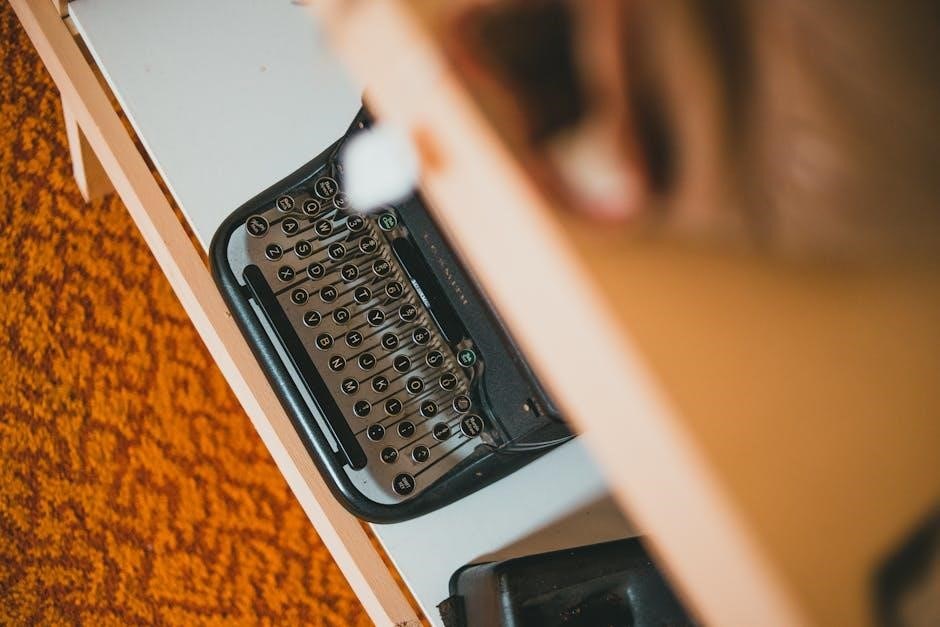
The Royal Classic typewriter featured a keyboard layout that‚ while broadly QWERTY‚ possessed subtle yet significant distinctions. Royal didn’t simply adopt the standard; they refined it for a unique typing experience. Keycaps were often larger and more rounded than those found on competing machines‚ contributing to a comfortable and tactile feel.
Furthermore‚ the key arrangement itself sometimes incorporated slight variations intended to improve typing speed and reduce errors. These adjustments‚ though seemingly minor‚ were part of Royal’s commitment to user ergonomics. The overall effect was a keyboard that many typists found exceptionally responsive and intuitive‚ fostering a loyal following among writers and professionals. This distinctive layout became a hallmark of the Royal brand‚ instantly recognizable to enthusiasts.
The “Touch Control” System
Royal’s innovative “Touch Control” system was a defining feature of the Classic typewriter‚ setting it apart from many contemporaries. This system fundamentally altered the typing experience by utilizing a unique carriage control mechanism. Instead of traditional levers‚ typists interacted with two centrally located control knobs – one for carriage return and the other for line spacing.
These knobs offered a lighter‚ more fluid touch‚ reducing the physical effort required for operation. The system aimed to provide a more natural and responsive feel‚ allowing typists to maintain a consistent rhythm. Royal marketed this as a significant advancement in typing comfort and efficiency. The “Touch Control” system became synonymous with the Royal brand‚ contributing to its reputation for quality and ease of use.
Models and Variations
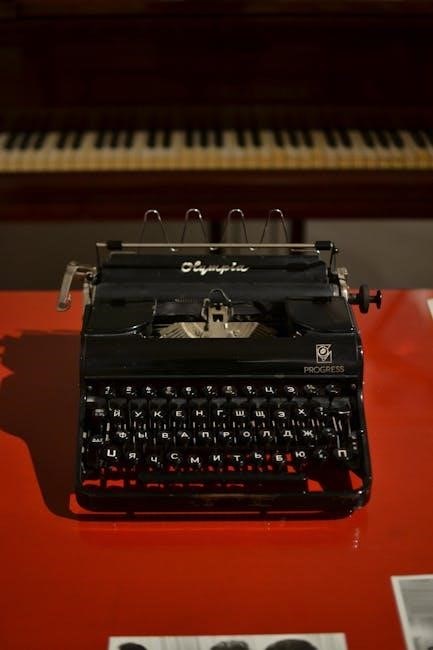
Royal produced numerous iterations of its classic typewriter‚ including the popular Quiet De Luxe and the standard models.
Special editions and limited runs catered to diverse preferences and collectors.
Royal Quiet De Luxe: A Popular Choice
The Royal Quiet De Luxe stands out as arguably the most recognizable and sought-after model within the Royal typewriter family. Introduced in 1946‚ it quickly gained prominence due to its innovative “Touch Control” system and significantly reduced operating noise compared to earlier models. This quieter operation made it particularly appealing for office environments and home use‚ where minimizing distractions was crucial.
Its sleek‚ streamlined design‚ often featuring elegant color combinations‚ further contributed to its popularity. The Quiet De Luxe wasn’t just a functional machine; it was considered a stylish addition to any workspace. Many variations existed‚ including different color schemes and minor feature adjustments over its production run‚ adding to its collectibility. The model’s robust construction ensured longevity‚ meaning many examples remain in working condition today‚ cherished by enthusiasts and collectors alike. It truly embodies the golden age of typewriters.
Royal Standard and Other Core Models
Alongside the celebrated Quiet De Luxe‚ Royal produced a range of core models that solidified its position as a leading typewriter manufacturer. The Royal Standard‚ a workhorse machine‚ offered dependable performance and durability‚ becoming a staple in businesses and homes. It represented a more affordable option while still delivering the quality associated with the Royal name.
Other significant models included the Royal Portable‚ designed for travel and convenience‚ and various iterations of the Royal Aristocrat. These machines‚ though perhaps less glamorous than the Quiet De Luxe‚ were essential to Royal’s success‚ catering to a broader market. They shared many of the same core features – robust construction‚ the distinctive Royal keyboard layout‚ and reliable operation – establishing a consistent user experience across the brand’s product line. These models demonstrate Royal’s commitment to providing quality typewriters for diverse needs.
Special Editions and Limited Runs
Royal wasn’t solely focused on mass production; the company occasionally released special editions and limited-run models‚ catering to collectors and enthusiasts. These variations often featured unique cosmetic enhancements‚ such as distinctive color schemes‚ decorative decals‚ or chrome accents. While mechanically similar to standard models‚ these special editions elevated the aesthetic appeal and collectibility of Royal typewriters.
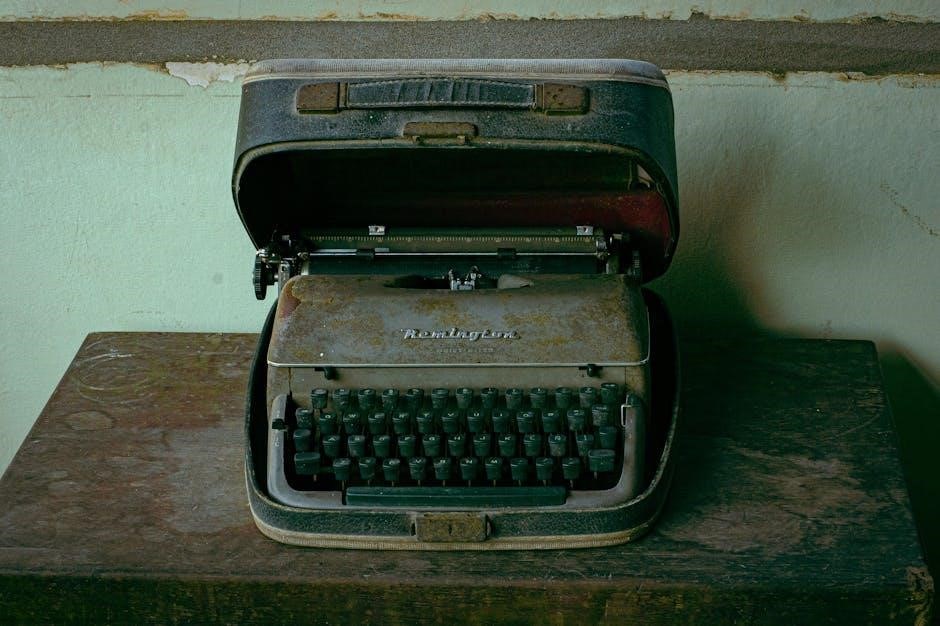
Information regarding specific limited runs is often scarce‚ adding to their mystique and value. Some models were produced to commemorate significant events or anniversaries‚ while others were simply offered as premium versions with upgraded finishes. These exclusive offerings demonstrate Royal’s willingness to experiment and appeal to a discerning clientele. Discovering these rare models is a thrilling pursuit for collectors‚ representing a unique piece of Royal’s history and a testament to the brand’s enduring legacy.
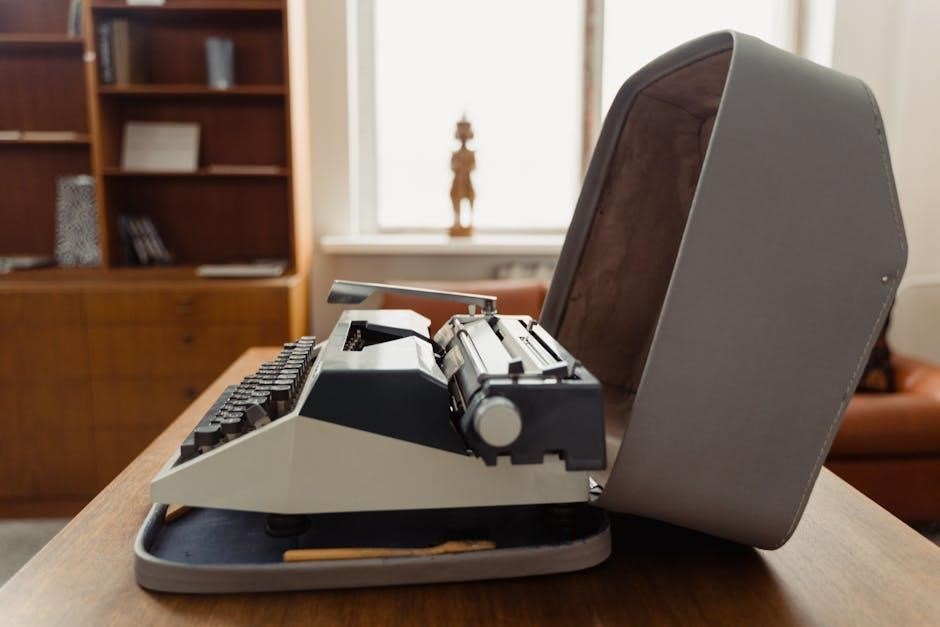
Maintaining and Restoring a Royal Classic
Regular cleaning and lubrication are vital for preserving a Royal typewriter’s functionality. Replacing worn parts‚ like ribbons and the platen‚ ensures continued smooth operation.
Cleaning and Lubrication Techniques
Maintaining a Royal Classic requires diligent cleaning to remove accumulated dust‚ debris‚ and old oil. Begin by gently brushing the exterior with a soft cloth‚ avoiding abrasive cleaners that could damage the finish. For stubborn grime‚ a slightly dampened cloth with mild soap can be used‚ followed by immediate drying.
Internally‚ compressed air is excellent for dislodging dust from intricate mechanisms. Focus on the typebars‚ escapement‚ and carriage rails. Lubrication is crucial; however‚ avoid over-oiling. Use a specialized typewriter oil – sewing machine oil can be a substitute – sparingly applied to pivot points and moving parts.
Specifically‚ lubricate the typebars at their hinges‚ the escapement wheel‚ and the carriage rails. Wipe away any excess oil to prevent it from attracting more dust. Regular cleaning and lubrication will significantly extend the life and improve the performance of your Royal Classic‚ ensuring a smooth and enjoyable typing experience for years to come.
Replacing Common Wear Parts (Ribbon‚ Platen)
Ribbon replacement is a frequent task. Carefully remove the old spool holders and ribbon‚ noting the winding direction. Install the new ribbon spools‚ ensuring proper alignment for smooth feeding. Adjust the ribbon vibrator for optimal ink transfer. A worn platen‚ the rubber cylinder the paper wraps around‚ significantly impacts typing quality.
Replacing a platen requires more effort. First‚ detach the platen from the typewriter. Old platen rubber can be brittle and messy. Clean the metal core thoroughly before applying new rubber sheeting‚ carefully adhering it to the core and securing it with a strong adhesive.
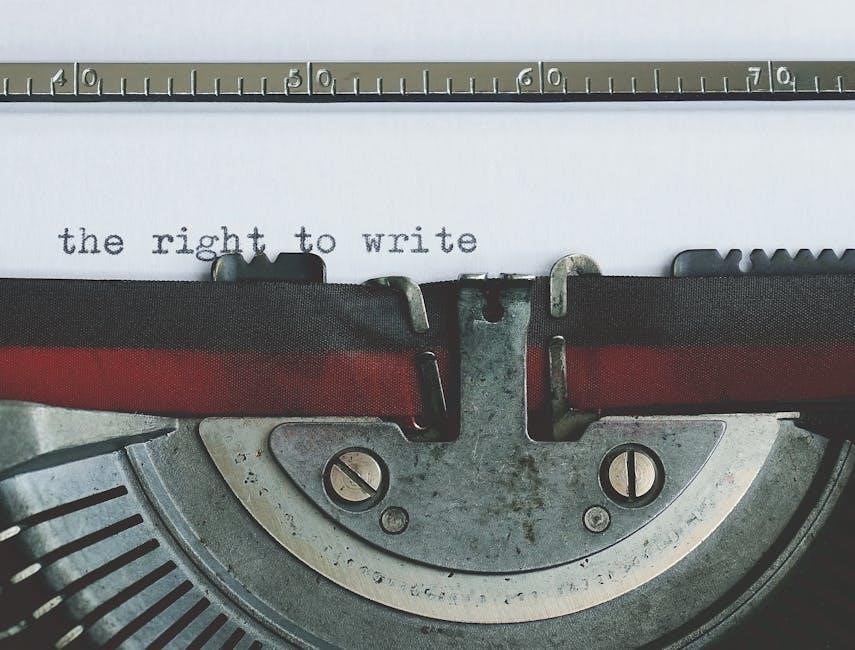
Reinstall the platen‚ adjusting the tension for even paper feed. These replacements restore functionality and typing experience. Sourcing parts can be done through specialized typewriter shops or online retailers catering to vintage machine enthusiasts‚ ensuring continued use of your Royal Classic.
Troubleshooting Common Issues
Sticky keys are frequent; a thorough cleaning with mineral spirits often resolves this‚ dislodging accumulated dust and grime. Typebar clashes indicate misalignment – gently adjust the typebars until they strike the platen cleanly. If the carriage doesn’t advance smoothly‚ check for obstructions and lubricate the rails with sewing machine oil.
Faint typing usually points to a low ribbon or improper vibrator adjustment. Ensure the ribbon is correctly threaded and the vibrator engages fully with each keystroke. A jammed mechanism requires careful inspection; avoid forcing anything. Identify the obstruction and gently remove it.
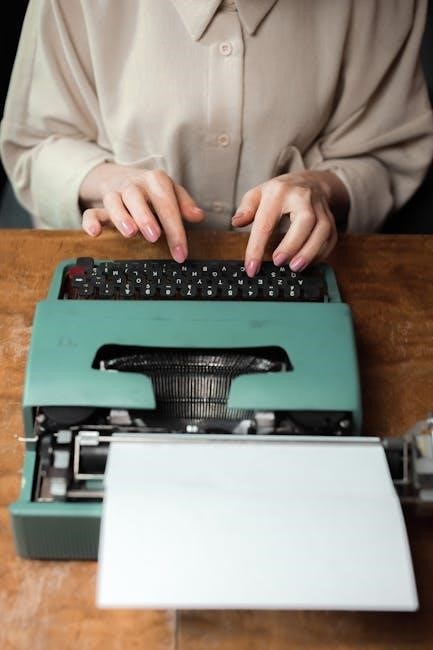
Consistent errors might stem from a worn escapement mechanism. Addressing these issues often requires patience and a methodical approach. Online forums and repair manuals provide valuable guidance for tackling more complex problems‚ preserving your Royal Classic’s functionality.
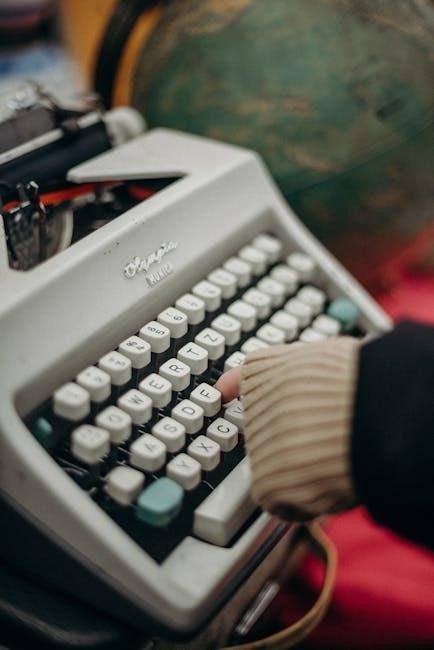
The Royal Typewriter in Popular Culture
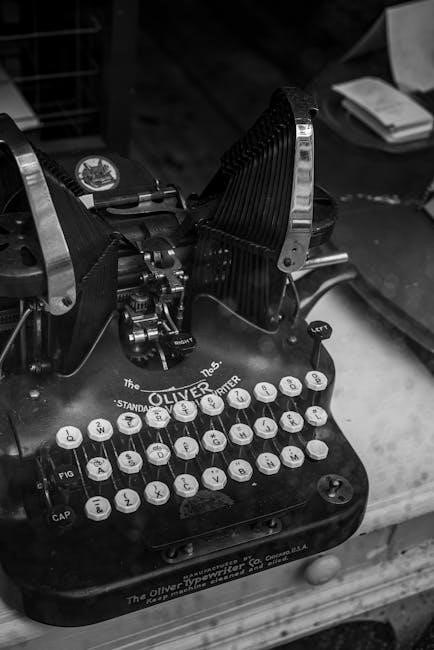
Royal typewriters frequently appear in film and literature‚ often symbolizing a bygone era of journalism and creative writing.
They represent nostalgia and a tangible connection to the past‚ evoking a sense of authenticity and craftsmanship.
Royal Typewriters in Film and Literature
Royal typewriters have enjoyed a prominent‚ often symbolic‚ presence in numerous films and literary works‚ cementing their place in popular culture. Their robust build and distinctive aesthetic made them instantly recognizable props‚ frequently utilized to represent the profession of writing itself.
In film noir‚ a Royal often sat on a detective’s desk‚ signifying hard work and uncovering truths. Authors‚ too‚ favored the Royal; its presence in photographs and anecdotes linked it to literary giants. The tactile experience of typing on a Royal – the clack of the keys‚ the physical effort – became associated with the creative process.
These machines weren’t merely background elements; they often played a role in the narrative‚ representing a character’s dedication‚ their struggles‚ or their connection to a specific time period. The Royal became a visual shorthand for authenticity and a romanticized past‚ continuing to resonate with audiences today.
The Typewriter as a Symbol of the Past
The Royal Classic manual typewriter‚ and typewriters generally‚ have transcended their function as mere writing tools to become potent symbols of a bygone era. They evoke nostalgia for a slower pace of life‚ a time before digital immediacy and constant connectivity. The physicality of the typing experience – the deliberate keystrokes‚ the ribbon’s ink – represents a commitment to craft and thoughtful expression.
The Royal embodies a period of tangible creation‚ contrasting sharply with the ephemeral nature of digital text; It signifies a dedication to the written word‚ a deliberate act of communication.
For many‚ the sight and sound of a Royal trigger memories of family history‚ correspondence‚ and the tangible artifacts of previous generations. It’s a reminder of a time when communication required effort and intention‚ making it a powerful emblem of the past.
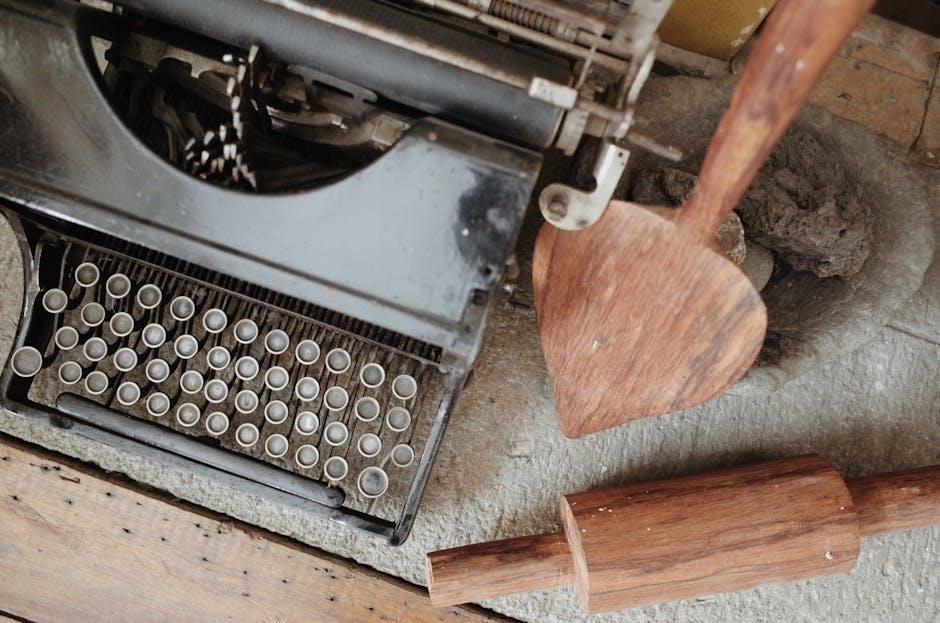
Collecting Royal Typewriters
Royal Classic models vary in value based on condition‚ rarity‚ and historical significance. Enthusiasts seek pristine examples and unique variations‚ fueling a vibrant collector’s market.
Factors Affecting Value and Collectibility
Several key elements dictate the value and desirability of Royal Classic manual typewriters among collectors. Condition reigns supreme; machines in excellent working order‚ with minimal cosmetic flaws‚ command significantly higher prices. Original paint‚ decals‚ and chrome plating are highly prized‚ while repainted or heavily restored models generally fetch less.
Rarity also plays a crucial role. Certain models‚ such as limited editions or those produced for a short period‚ are considerably scarcer than common variants like the Royal Standard. Completeness is vital – a typewriter with all its original parts‚ including the ribbon spool‚ dust cover‚ and instruction manual‚ is more valuable.
Historical significance can boost a typewriter’s worth. Machines with documented provenance – perhaps having belonged to a famous author or having been used in a notable event – are particularly sought after. Even the specific model year can influence value‚ with earlier or later production runs sometimes being more desirable. Finally‚ the overall aesthetic appeal and the “story” a typewriter seems to tell contribute to its collectibility.
Resources for Collectors and Enthusiasts
For those captivated by Royal Classic typewriters‚ a wealth of resources exists to fuel their passion. Online forums‚ such as those dedicated to vintage typewriters‚ provide platforms for sharing knowledge‚ seeking advice‚ and connecting with fellow collectors. Websites specializing in typewriter sales and restoration often feature detailed information about specific models and their history.
Dedicated communities on platforms like Reddit (r/typewriters) offer vibrant discussions and a supportive environment. Auction sites‚ including eBay‚ are prime locations for discovering Royal machines‚ but require careful evaluation of condition and authenticity.
Typewriter repair shops and restoration specialists can provide invaluable services‚ from routine maintenance to complex repairs. Books dedicated to typewriter history and repair offer in-depth technical knowledge. Finally‚ museum collections and historical societies sometimes showcase Royal typewriters‚ providing opportunities for firsthand observation and learning.